
Tile Roof Leak Repair: Comprehensive Guide for Tucson Homeowners
A leaking tile roof is more than just an inconvenience—it’s a threat to your home’s structural integrity and your peace of mind. Tucson’s unique desert climate, characterized by intense sun, monsoon storms, and dramatic temperature fluctuations, creates specific challenges for tile roof systems. If you’re experiencing water stains on ceilings, damp attics, or visible damage to your tiles, you’re not alone. The good news? Roofsavers Locke Roofing specializes in professional tile roof leak repair in Tucson, and this comprehensive guide will help you understand the problem and your repair options.
Understanding Tile Roof Leaks in Tucson’s Climate
Tile roofs are popular in Tucson for their durability, aesthetic appeal, and energy efficiency. However, they are not immune to leaks. Understanding why tile roofs leak is the first step toward prevention and repair. Tile roof leaks typically occur at specific weak points, including the underlayment beneath the tiles, flashing around chimneys and penetrations, and other transition points.
Tucson’s intense UV radiation penetrating where tiles are broken or slipped out of place accelerates the breakdown of underlayment materials, while monsoon rains test the integrity of your roof’s drainage system. Additionally, the freeze-thaw cycles of winter, though less severe than in northern climates, can still cause tiles to shift and crack.
Common Causes of Tile Roof Leaks
Broken or Cracked Tiles
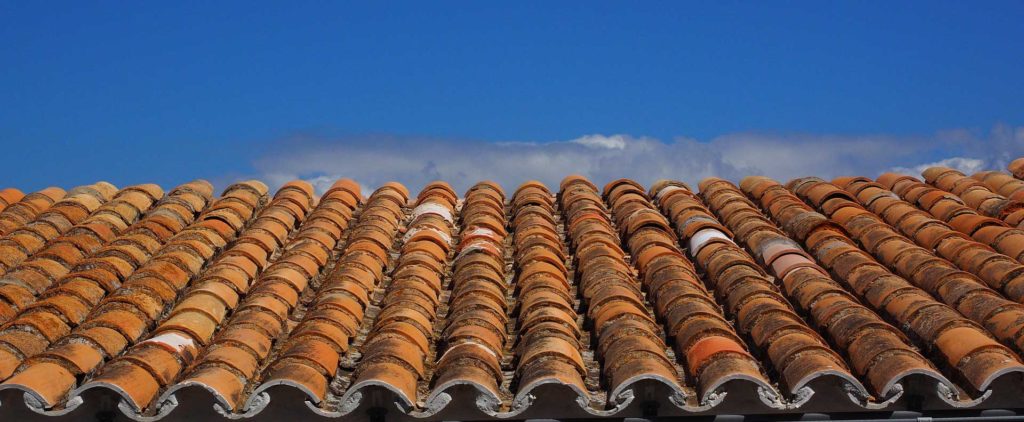
Despite their durability, tiles can crack from impact (fallen branches, debris), settling of the roof structure, or age-related deterioration. A single broken tile can compromise your entire roof’s water resistance, as Sunlight and water finds its way through to the underlayment beneath.
Deteriorated Underlayment
The underlayment layer beneath your tiles serves as a critical secondary moisture barrier. Over 20-30 years, this material—often felt, synthetic, or self-adhering products—degrades. Once compromised, leaks develop even if the tiles above appear intact.
Failed Flashing and Sealants
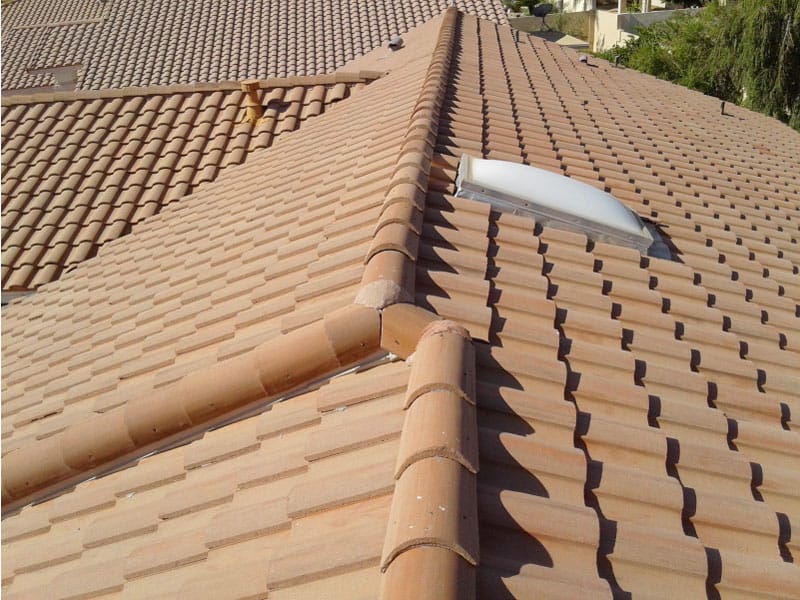
Flashing around chimneys, vents, skylights, and roof penetrations is a common leak point. The sealant used to secure flashing deteriorates under Tucson’s intense sun and weather stress, allowing water to penetrate behind the flashing.
Improper Installation or Previous Repairs
Tile roofs require specialized installation knowledge. Improperly installed tiles, inadequate nail patterns, or amateur repairs can create gaps and weak points that lead to leaks years later.
Roof Drainage Problems
Poor drainage design or water ponding on flat or low-slope sections can force water under tiles. In Tucson’s monsoon season, heavy rainfall can overwhelm inadequate drainage systems.
Signs Your Tile Roof Is Leaking
Early detection is crucial for minimizing water damage in tile roof systems. Watch for these warning signs:
- Interior Water Stains: Dark spots or discoloration on ceilings and upper walls indicate active leaks.
- Attic Moisture: A damp attic, mold growth, or musty odors suggest water infiltration.
- Damaged Tiles: Visible cracks, missing chunks, or discoloration on tiles warrant inspection.
- Sagging Areas: A sagging roof line may indicate water-saturated wood decking.
- Visible Light: Holes or gaps allowing light into the attic point to serious damage.
The Professional Tile Roof Inspection Process
Before pursuing repairs, a comprehensive inspection by a qualified roofing professional is essential. Here’s what to expect:
Visual Exterior Inspection
A trained inspector examines the entire roof surface for damaged tiles, cracked mortar, deteriorated flashing, spot checking underlayment in vulnerable areas, and signs of improper past repairs. They assess the condition of valleys, hips, and penetrations where leaks commonly originate.
Interior Investigation
The inspector checks the underside of your roof decking where visible, spot checks underlayment for water damage, staining, mold, and rot. This reveals the extent of damage and helps pinpoint leak origins.
Diagnostic Report
A detailed inspection report documents findings with photos and recommendations for repair or replacement. This guides your repair decisions and insurance claims if applicable.
Tile Roof Leak Repair Options
Tile Replacement
For isolated broken tiles, individual damaged tiles can be removed and replaced. This is the most cost-effective solution for minor damage. Matching tile profile, style, and underlayment is crucial to ensure longevity and proper water shedding.
Flashing Repair or Replacement
If the leak source is deteriorated flashing, the flashing is removed, the area is inspected for underlying damage, and new flashing is installed with proper sealants and fastening. This is often a localized repair that prevents further water intrusion.
Underlayment Repair or Replacement
In cases where the underlayment is compromised, tiles may need to be temporarily removed to access and repair the secondary moisture barrier.
Full Roof Replacement
If your tile roof is nearing the end of its life (20-40 years, depending on material and conditions) or has extensive damage, a full replacement may be more economical than repeated repairs. Modern tile options and improved installation techniques extend roof lifespan significantly.
Preventive Maintenance
Regular tile roof maintenance in Tucson prevents small issues from becoming expensive leaks. Annual inspections, debris removal, and proactive repair of minor damage extend roof life and protect your investment.
Water Damage Prevention Strategies
Proactive water damage prevention from Roofsavers Locke Roofing protects your home investment:
- Annual Inspections: Schedule professional roof inspections yearly, especially after monsoon season.
- Clean Gutters and Valleys: Remove debris to ensure proper water drainage away from your home.
- Trim Overhanging Branches: Prevent debris from landing on and damaging tiles.
- Monitor Interior Signs: Address water stains and attic moisture immediately.
- Document Your Roof: Keep photos and records of your roof’s condition and any repairs performed.
- Address Thermal Movement: Ensure flashing accounts for tile expansion and contraction in Tucson’s extreme temperature swings.
Why Choose Professional Tile Roof Repair?
Tile roof work requires specialized knowledge and skills. Roofsavers Locke Roofing brings decades of experience repairing and maintaining tile roofs in Tucson’s unique climate. Our team understands:
- The specific challenges of tile systems in desert conditions
- Proper underlayment selection and installation
- Flashing design that prevents water intrusion
- Tile matching and custom repair solutions
- Safety protocols and industry best practices
Attempting DIY tile roof repairs often leads to more costly damage. Professional repairs come with warranties, ensuring your investment is protected.
FAQ: Tile Roof Leak Repair Tucson
How long does a tile roof last in Tucson?
Quality tile roofs typically last 20–40 years or longer in Tucson’s climate, depending on installation quality, maintenance, and tile material. Clay and concrete tiles are particularly durable. Regular maintenance extends this lifespan significantly.
Can I patch a leaking tile roof myself?
While small cosmetic repairs might be tempting, roof work is dangerous and requires specialized knowledge. Improper repairs can cause additional damage and void warranties. Professional repair is safer and more effective.
What’s the difference between a roof inspection and a roof repair estimate?
An inspection identifies problems and their causes without proposing solutions. An estimate assesses damage and provides specific repair or replacement recommendations with costs. You must have an inspection before committing to repairs.
Will my homeowner’s insurance cover tile roof leak repair?
Insurance typically covers sudden, accidental damage (like storm damage or fallen branches). Wear-and-tear repairs and damage from poor maintenance are usually excluded. Review your policy or consult your agent for specifics.
How often should I have my tile roof inspected?
Annual professional inspections are ideal, especially after Tucson’s monsoon season. If your roof is over 20 years old or shows signs of damage, increase inspection frequency to twice yearly or as recommended by a professional roofer.
Take Action on Your Tile Roof Leak Today
Tile roof leaks won’t repair themselves—they grow worse with each rain. The longer you delay, the greater the potential for structural damage, mold growth, and costly repairs. If you’ve noticed signs of a leak or simply want peace of mind about your roof’s condition, contact Roofsavers Locke Roofing for a professional inspection and estimate. Our team is ready to help you protect your Tucson home with expert tile roof leak repair solutions.